




Century Jeep - Flat-Towing a 2026 Jeep Wrangler with an RV near Lake Saint Louis, MO: What You Need to Know
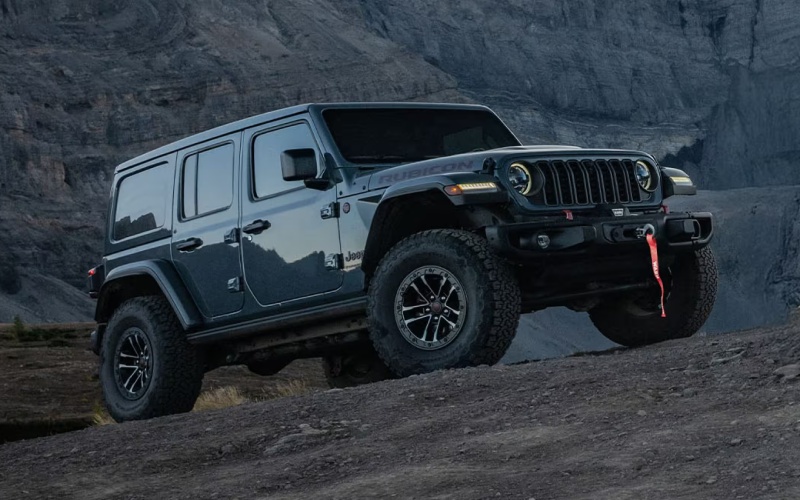
Flat-towing—pulling your SUV behind a motorhome with all four wheels on the ground—is a huge convenience for road-trippers around Lake Saint Louis, MO. The good news is that the 2026 Jeep® Wrangler is engineered with the right transfer case setup, allowing flat-tow capability when it is properly equipped and prepared. If you’re picturing easy arrivals at campgrounds, scenic out-and-back hikes without breaking down the RV, and smooth transitions to small-town exploring, a correctly configured Wrangler behind your coach can be a smart, practical solution.
Below, we’ll walk through the essentials: equipment basics, transfer case steps, and a few planning tips that make the process more confident. We will also note weights and what to confirm before you hit I-70 or head for river-country campgrounds. If you’d like hands-on help, Century Dodge Chrysler Jeep Ram is happy to demonstrate the sequence so you’re comfortable doing it yourself afterward—no guesswork required.
Start with the right gear and a quick setup checklist. Small changes in process make a big difference in ease and safety when you’re getting ready to roll from one park to the next.
- Verify flat-tow compatibility for your specific Wrangler trim and transfer case
- Choose a tow bar rated well above the Wrangler’s weight
- Install a proper base plate and safety chains
- Wire a lighting solution to mirror the RV’s signals
- Confirm supplemental braking as required by local laws
- Practice the transfer case sequence in your driveway
Model-to-model curb weights vary, so know your numbers. The 2026 Wrangler’s base curb weight ranges roughly from just over 4,000 pounds to nearly 5,000 pounds depending on body style, axles, tires, and equipment. The Gross Vehicle Weight Rating (GVWR) for the 2026 Wrangler ranges between 5,100 and 6,250 pounds. Choose a tow bar and braking system that exceed your maximum anticipated load and meet your RV’s receiver specs, then check the RV’s tow rating to ensure a comfortable margin. Planning on accessories like a winch-capable steel bumper or an onboard fridge? Account for those pounds too.
Next comes the transfer case. On part-time systems like Command-Trac® (2.72:1 low range) or Rock-Trac® (4:1 low range), the typical process involves placing the transmission in neutral at low speed or at a standstill and shifting the transfer case to neutral or the designated tow position per the Owner’s Manual. After confirming the correct transfer case setting, move the transmission to park (automatic) or in gear (manual), set your ignition and steering as instructed, and complete your tow bar connections. Always follow the precise steps for your system—minor differences matter—and give yourself a minute to double-check that the transfer case is fully in neutral before pulling away.
Here are the small habits that keep you confident as you head out to Mark Twain National Forest campgrounds or lakeside sites along the I-70 corridor.
- Keep a laminated step-by-step card in the glovebox and RV
- Do a 360-degree walk-around to confirm pins and safety chains
- Test lighting and supplemental braking every time
- Re-check tow bar angle on level ground after loading
- Bring an extra pin set, gloves, and wheel chocks
Many owners appreciate Wrangler’s practical touches for life off the grid. The robust frame and solid axles hold alignment for miles of towing and trails; available steel bumpers and tow hooks simplify recovery if you decide to slip onto a gravel road near a trailhead; and the part-time or available full-time 4x4 systems give you options for all-surface driving once you unhook. Even better, open-air flexibility is baked in: the quick-release door hinge system requires no tools, and roof choices range from the modular Freedom Top® Three-Piece Hardtop to the Sky One-Touch® Power Top, so you can set up your campsite and drop into exploration mode in minutes.
Before your first big run, a short practice loop pays off. Hook up in your driveway, confirm lighting and supplemental braking, and head for a quiet lot to get a feel for turn radiuses and braking distances with your RV. Then unhook, drive your Wrangler independently, and run through the process in reverse. With just a little repetition, you’ll turn departure day into a smooth, 10-minute routine.
Frequently Asked Questions:
Is every 2026 Wrangler flat-towable?
Wrangler is designed to be flat-towed when properly equipped and set up per the Owner’s Manual, but steps vary by transfer case and transmission. Confirm your specific trim’s instructions, and ensure your tow bar, base plate, chains, wiring, and supplemental braking meet all requirements.
What about weight and tow bar ratings?
Pick a tow bar rated comfortably above your Wrangler’s curb weight and GVWR. Curb weights vary by model, tire size, and accessories. Always check the RV’s tow rating and verify receiver height so your tow bar runs level.
How do I set the transfer case for flat-towing?
On part-time systems, stop or slow to a crawl, place the transmission in neutral, then shift the transfer case to neutral as outlined for your model. Confirm the position before moving the RV. The exact steps and indicator confirmations are detailed in the Owner’s Manual.
Do I need supplemental braking?
Most states and provinces require supplemental braking when flat-towing. Beyond legality, it’s smart practice—it shortens stopping distances and reduces stress on the RV brakes. Choose a system designed for your setup and test it before each trip.
If you’d like a hands-on overview—tow wiring, base plates, braking options, and a guided transfer case demo—reach out to our team. We’re serving Lake Saint Louis, Warrenton, and Dardenne Prairie with practical, road-tested guidance, so your RV trips feel as easy as your Wrangler drives. One visit is all it takes to get comfortable and head out with confidence.
Flat-towing is about freedom and flexibility. With a properly equipped 2026 Wrangler and a calm, repeatable routine, you can explore trail towns, scenic overlooks, and dinner spots without breaking down the coach. And when it’s time to detach and explore a rutted forest lane or a winding bluff road, your Wrangler is in its element—ready to turn a quick roadside stop into a memorable detour. If you’re narrowing your build or want us to verify your RV compatibility, we’re here to help from the first question to your first campsite hookup.
Request more 2026 Jeep Wrangler information
Categories:
Jeep Wrangler